






Digital compliance is no longer a nice-to-have; it’s quickly becoming the new standard for asset management, as the new EU Battery Regulation proves.
From February 2027, organisations placing certain batteries on the European market will need to comply with new requirements under the EU Battery Regulation (EU) 2023/1542.
One of the biggest changes is the introduction of the Digital Battery Passport. This is a digital record that provides instant access to key information about a battery throughout its lifecycle.
Although this legislation applies across the European Union, many UK manufacturers, importers, distributors and suppliers will also need to comply if they sell batteries into the EU market or form part of the European supply chain.
For many businesses, the real challenge isn’t whether they can store this information; it’s making sure every record is accurate, up to date and instantly accessible. As digital compliance becomes the norm, spreadsheets, paper records and disconnected filing systems simply won’t provide the visibility organisations need.
In this blog, we’ll explain what the new regulation means, the key compliance deadlines and how digital asset management solutions such as MyBattery Passport (MyAsset Passport) can help organisations prepare.
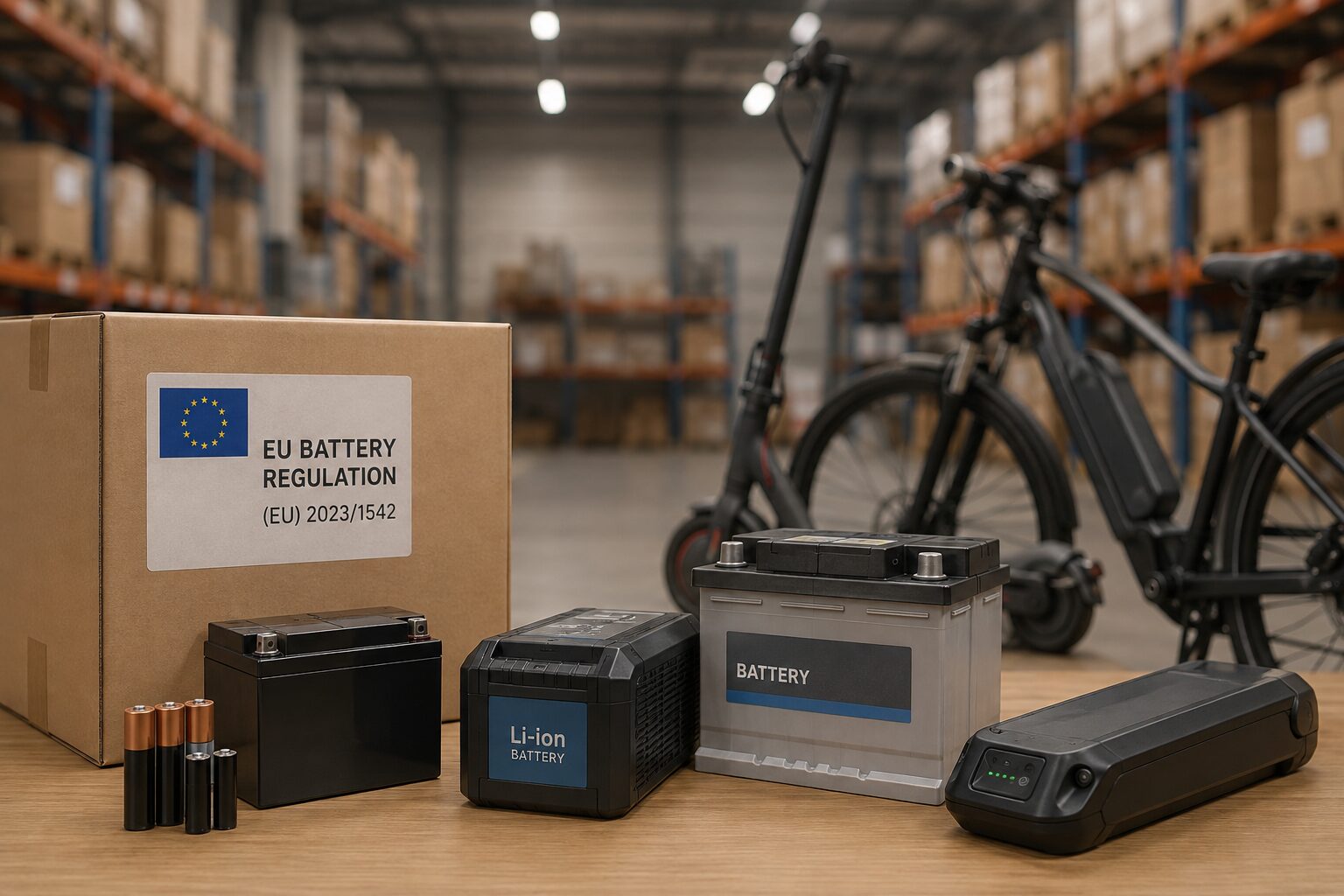
What is the EU Battery Regulation?
The EU Battery Regulation (EU) 2023/1542 is a new piece of legislation designed to improve the sustainability, safety, transparency and circularity of batteries throughout their entire lifecycle.
It replaces the previous EU Batteries Directive, introducing stricter requirements around battery traceability, sustainability reporting, digital documentation, product transparency, supply chain due diligence, recycling and recycled content, and end-of-life management.
The overall aim of this new regulation is to ensure batteries are safer, easier to recycle and supported by accurate digital information from manufacture through to disposal or reuse.
Which batteries are affected?
The regulation applies to several battery categories, including:
- Portable batteries
- Automotive batteries
- Industrial batteries
- Electric Vehicle (EV) batteries
- Light Means of Transport (LMT) batteries, including e-bikes and scooters.
However, the requirement for a Digital Battery Passport specifically applies to Industrial batteries above 2kWh, Electric Vehicle (EV) batteries, and Light Means of Transport (LMT) batteries above 2kWh.
When are the key compliance deadlines?
The regulation is being introduced in stages over several years. Here are the key compliance deadlines that all relevant businesses must adhere to:
Digital Battery Passports become mandatory: February 2027
From 18th February 2027, EV and industrial batteries with a capacity greater than 2kWh placed on the EU market must have a Digital Battery Passport, accessible via a unique QR code.
The passport will include information such as:
- Battery identification
- Manufacturer details
- Technical specifications
- Maintenance history
- State of health
- Compliance documentation
- Sustainability information.
This creates a permanent digital identity for every battery throughout its lifecycle.
Due diligence obligations: August 2027
From 18th August 2027, businesses placing batteries on the EU market must implement supply chain due diligence policies, with third-party verification becoming mandatory.
These requirements cover the sourcing of key raw materials, including lithium, cobalt and nickel.
Carbon footprint and reporting requirements: 2028
From 2028 onwards, the regulation introduces:
- Carbon footprint thresholds for batteries placed on the EU market
- Mandatory reporting on the sourcing of critical raw materials.
This marks a further step towards greater transparency and sustainability accountability across the battery lifecycle.
Recycling efficiency targets: 2030
By 2030, lithium-based batteries must achieve a minimum recycling efficiency of 70%, supporting improved material recovery and circular economy objectives.

Recycled content targets: 2031 onwards
From 18th August 2031, batteries placed on the EU market must meet minimum recycled content thresholds, including:
- 85% for lead
- 16% for cobalt
- 6% for lithium
- 6% for nickel.
These requirements aim to increase the use of recovered materials and reduce reliance on virgin raw materials, further strengthening sustainability across the battery supply chain.
What is a Digital Battery Passport?
A Digital Battery Passport is basically like a digital identity for every battery.
Each qualifying battery will have a unique QR code that provides authorised users with immediate access to important information throughout the battery’s life. Depending on the battery type, this may include:
- Serial number
- Manufacturer information
- Technical specifications
- Carbon footprint
- Recycled content
- Maintenance history
- Repair information
- Compliance certificates
- State of health
- End-of-life information.
Rather than searching through paperwork or requesting information from multiple departments, users can quickly access the data they need from one digital source.
This supports greater transparency, improves traceability and simplifies compliance throughout the battery lifecycle.

Why UK businesses should pay attention
Although this is an EU regulation, it shouldn’t be dismissed by UK organisations, especially if your business exports batteries to Europe, supplies European manufacturers, imports qualifying batteries or operates across multiple countries, as this regulation will affect you.
More importantly, this regulation reflects a wider shift towards Digital Product Passports and digital compliance across multiple industries.
As governments and industries continue to focus on sustainability, transparency and traceability, digital records are becoming an expectation rather than an advantage.
Businesses that start preparing now will be in a much stronger position if similar requirements are introduced more widely in the UK.
Why spreadsheets won’t be enough
Many organisations still manage assets using a mixture of spreadsheets, folders, emails and paper records. While this may have worked in the past, it’s becoming increasingly difficult to maintain the level of visibility modern compliance requires.
Common challenges include:
- Asset information spread across multiple spreadsheets
- Inspection sheets, maintenance records and certificates becoming misplaced or damaged
- Technical documents stored in different folders and systems
- Important compliance documents being overlooked or expiring unnoticed
- Critical approvals hidden within long email chains
- Time-consuming preparation for audits and inspections
- Engineers returning to the office simply to retrieve documentation
- Delays caused by searching for the latest version of a record.
The issue is rarely that the information doesn’t exist; it’s that organisations need to access it instantly.
As regulations move towards digital documentation and real-time traceability, businesses need systems that provide immediate access to accurate information (rather than somewhere to just store PDFs).
How MyBattery Passport helps
Every organisation will need to assess the exact requirements that apply to its products and operations.
However, digital asset management platforms such as MyBattery Passport already provide many of the capabilities businesses need to support this new regulation and the new way of working.
Here’s how MyBattery Passport can help you:
- One digital record for every asset
Instead of information being scattered across spreadsheets, folders and filing cabinets, every asset has one structured digital record containing everything in a single location. - Instant access using NFC tags
Battery Passports rely on QR codes to access information instantly.Similarly, MyBattery Passport allow users to retrieve asset information immediately using QR codes or NFC technology, providing instant access on-site without searching through paperwork. - Store compliance documentation
Keep all important documentation together, including inspection records, maintenance history, compliance certificates, technical documentation, and service records.This allows everything to be organised, searchable and easy to retrieve whenever it’s required.
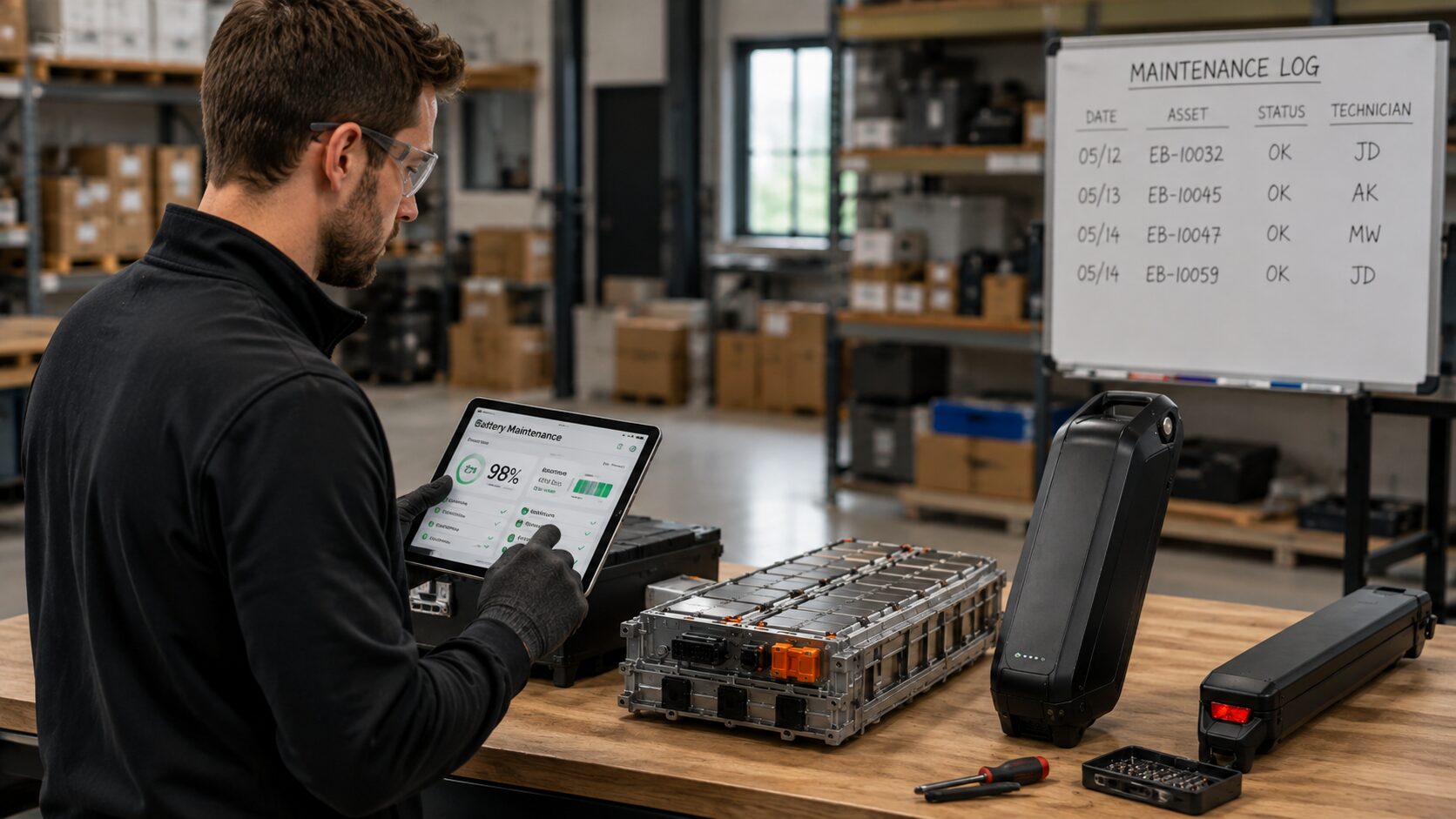
- Maintenance tracking
Maintain complete visibility of your assets by recording scheduled servicing, inspection reminders, repair history and maintenance activities.This creates a clear audit trail and helps ensure assets remain compliant throughout their operational life.
- Audit-ready reporting
Whether preparing for inspections, customer requests or regulatory audits, digital records allow organisations to generate evidence quickly and confidently without spending hours searching for documentation.
Preparing for the future of digital compliance
It’s clear that the EU Battery Regulation is more than another piece of legislation. This new regulation signals a wider shift towards digital asset transparency, where organisations are expected to provide accurate, accessible information throughout an asset’s lifecycle.
And it is those businesses that begin digitising their asset records today that will be far better prepared as regulations continue to evolve.
Whether you’re preparing for Digital Battery Passports, improving maintenance visibility or replacing spreadsheets with a centralised digital asset management platform, MyBattery Passport provide a smarter way to manage your assets, documentation and compliance.
Want to learn more about how our digital asset management solutions can help future-proof your organisation? Book your free, no-obligation demo now.