Technology drives how organisations operate, communicate and grow, but the real risk is often a lack of understanding. When people don’t fully grasp the tools they use, inefficiencies and missed opportunities follow. This training area builds practical digital confidence, helping people use technology effectively and adapt as it evolves.
A lot of workplace challenges linked to technology don’t come from complex systems. They come from everyday gaps in understanding. Tools underused. Data handled poorly. Opportunities missed because people don’t feel confident using what’s available.
That’s where problems start.
This training helps people build a clearer understanding of how technology supports their role, not just what tools do, but how and when to use them effectively. It focuses on practical application, not technical jargon.
The courses in this area help individuals and teams become more capable, adaptable and confident in a digital environment. They also give organisations better visibility of skills, helping identify where support is needed and how capability is improving over time.
This is for organisations that want technology to enable better work, not create confusion.
These featured courses cover the key areas organisations rely on every day, from understanding IT systems and protecting data to using digital tools more effectively.
They are designed to be practical, accessible and relevant across different roles and experience levels. Each course can be assigned as part of a wider learning plan, helping you build digital confidence across your organisation.
Whether you’re strengthening foundations or developing more advanced capability, these courses give you the flexibility to create learning that fits how your teams actually work.
By Intuition Know-How
An overview of how IT supports modern organisations, helping learners understand the role of systems, networks and emerging technologies in business.
By Intuition Know-How
Explains how organisations protect systems and data, covering security, maintenance and the responsibilities involved in managing digital environments.
By ISEAZY SKILLS
Introduces the fundamentals of AI, how machines learn, and how this rapidly evolving technology is shaping the way we live and work.
By Skilla
A practical guide to creating professional-quality video using everyday tools, helping you communicate more effectively through digital content.
By ISEAZY SKILLS
Covers the essentials of search engine optimisation, helping organisations improve visibility and reach through better online presence.
Explore the full library of Digital Technology Courses available through My eLearning Hub, covering PowerPoint, User Story Mapping, Blockchain, and many more.
Technology evolves quickly, and so do the skills people need.
One employee may need a broad understanding of IT today, then more specific training in data security or digital communication later. Another may need to adapt as tools, systems or responsibilities change. On most platforms, that creates a problem. Choose the wrong course and you pay again.
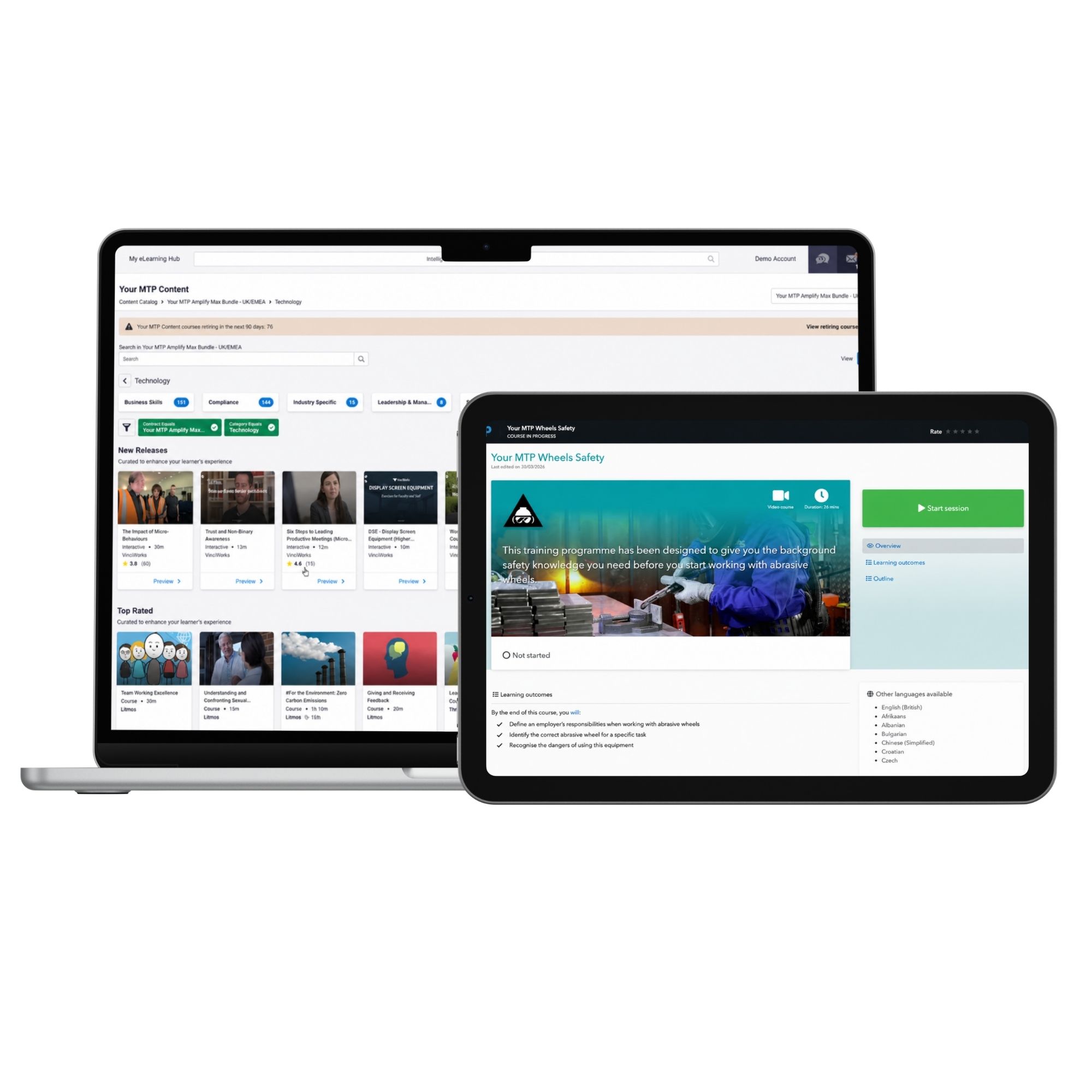
With Plus, it works differently. Because everything sits within one connected monthly plan, you can assign, adjust and expand training as needs evolve, without the usual friction of separate purchases and licence juggling. That gives organisations the flexibility to build capability over time, not lock into one decision.
Jamie GibbonsTrustindex verifies that the original source of the review is Google. Great solution for my clients. Several now use this service. Thanks MTPGoogle rating score: 5.0 of 5, based on 1 reviews
Digital capability isn’t developed through a single course.
Different roles require different levels of understanding. Some people need foundational knowledge of IT systems. Others need to work more confidently with digital tools, data or content. As technology evolves, those needs continue to change.
That’s why this area works as a flexible training space, not a fixed programme.
You can build learning around real tasks, adapt it over time and make sure it reflects how people actually use technology in their day-to-day work.
The result is more confident teams, better use of tools and stronger overall performance.
Most technology challenges aren’t caused by the systems themselves. They come from how those systems are used.
In many organisations, the tools are already there but they’re not always used to their full potential. Features go unused, processes become inefficient, and people work around systems instead of with them.
Small gaps in understanding can lead to inefficiency, frustration and avoidable mistakes. Over time, those small issues add up, affecting productivity, consistency and overall performance.
That’s why the fundamentals matter.
This training area focuses on helping people understand the tools, systems and technologies they rely on every day, so they can use them effectively, confidently and with purpose. It builds the kind of practical knowledge that supports better decisions and smoother ways of working.
It’s practical. It’s relevant. And it’s built around real-world use, not theory.
The goal isn’t just to introduce technology, but to help people make better use of it, to feel more capable, adapt more quickly and get more value from the systems already in place.
Because when people understand how technology fits into their work, everything becomes easier to manage, more efficient to run, and better aligned with the needs of the organisation.