





Keeping everyone safe at work is not just about hard hats, risk assessments, fire exits and whether someone watched a training video three years ago.
Keeping everyone safe at work means knowing who is trained, what risks exist, what actions are open, and whether your people have the tools, systems and support to work safely. No guessing, no gaps, no buried evidence.
It is what happens every day, in the real world, when people are busy, tired, under pressure, distracted or trying to get the job done quickly.
For team leaders, supervisors, managers, directors and business owners, safety is not something that sits separately from the work. It is part of how work is planned, delivered, checked and improved. If people do not understand the risks, if equipment is not suitable, if systems are weak, if people are afraid to speak up, or if nobody owns the follow-up, small problems can turn into serious incidents.

It also includes digital safety, emotional safety, data protection, cyber awareness, safeguarding, workplace behaviour, mental health and the systems people rely on every day. A phishing email can cause damage. A weak password can expose sensitive information. A rushed process can create risk. A stressed employee can make mistakes they would never normally make. A contractor without the right checks can put themselves and others in danger.
A safe workplace is not built by luck. It is built by leaders who pay attention before things go wrong.
That does not mean every manager needs to become a health and safety expert, cyber specialist, HR professional and mental health clinician overnight. But it does mean leaders need to understand the main areas that keep people safe, ask better questions, and put proper systems around their teams.
Employees have a role too. Everyone should understand how to spot risks, follow safe processes, report concerns and protect themselves and others. Safety works best when it is shared, visible and part of everyday behaviour, not dragged out once a year when an audit is coming.
Below are five core areas every organisation should understand when building a safer workplace.
Most incidents do not appear from nowhere. They usually start as small warning signs.
A loose cable. A damaged piece of equipment. A shortcut that becomes normal. A lone worker without clear contact arrangements. A team member ignoring manual handling guidance because “it’ll only take a second.” A shared password. A suspicious email. A spreadsheet full of personal information sitting in the wrong place.
These are not tiny details. They are early warnings.
Identifying risk is one of the basic responsibilities of workplace safety, but it still gets missed because people get used to what they see every day. When something looks normal, it stops looking dangerous.
Managers and supervisors need to regularly look at the workplace with fresh eyes. That includes physical areas, working practices, equipment, software, systems, data handling and team behaviours. The question is not just, “Has anything gone wrong?” The better question is, “What could go wrong if this carries on?”
Risks can include:
Physical hazards such as slips, trips, manual handling issues, unsafe equipment, fire risks, poor housekeeping or unsuitable work areas.
Digital risks such as phishing emails, weak passwords, shared logins, poor access controls, unsafe file sharing or careless data handling.
Behavioural risks such as rushing, ignoring procedures, poor communication, bullying, fatigue or pressure from management.
Process risks such as unclear instructions, missing checks, poor handovers, outdated documents or nobody knowing who is responsible.
A safe workplace spots these risks before someone is injured, hacked, exposed or put under unnecessary pressure.
This is not about creating fear. It is about creating awareness. The earlier a risk is spotted, the easier it is to control.
Training should not be a tick-box exercise where someone clicks through slides until a certificate appears.
That is not training.
Real training helps people understand what applies to their role, what the risks look like in practice, and what they should do when something goes wrong. It gives people confidence, not just evidence for an audit.
A safe team needs training that is relevant, clear and repeated when needed. New starters need proper induction. Existing employees need refresher training. Contractors need to understand site-specific risks. Managers need training that helps them lead safely, not just tell others what to do.
Training may include health and safety, manual handling, fire safety, cyber security, data protection, safeguarding, mental health awareness, workplace behaviour, equality, compliance, reporting procedures and role-specific responsibilities.
A warehouse operative, office administrator, site contractor, team leader and finance manager do not all face the same risks. Some training will apply to everyone, but much of it should be linked to the person’s role, environment and responsibilities.
Good training should answer practical questions:
What are the risks in this job?
What does safe behaviour look like?
What systems or equipment should be used?
What should be reported?
Who should be told?
What should happen if something goes wrong?
When training is done properly, people do not just know the rules. They understand why the rules exist.
That matters, because people are more likely to follow safe processes when they understand the consequences of getting them wrong.
You cannot tell people to work safely and then give them broken kit, vague instructions or systems that make simple tasks harder than they need to be.
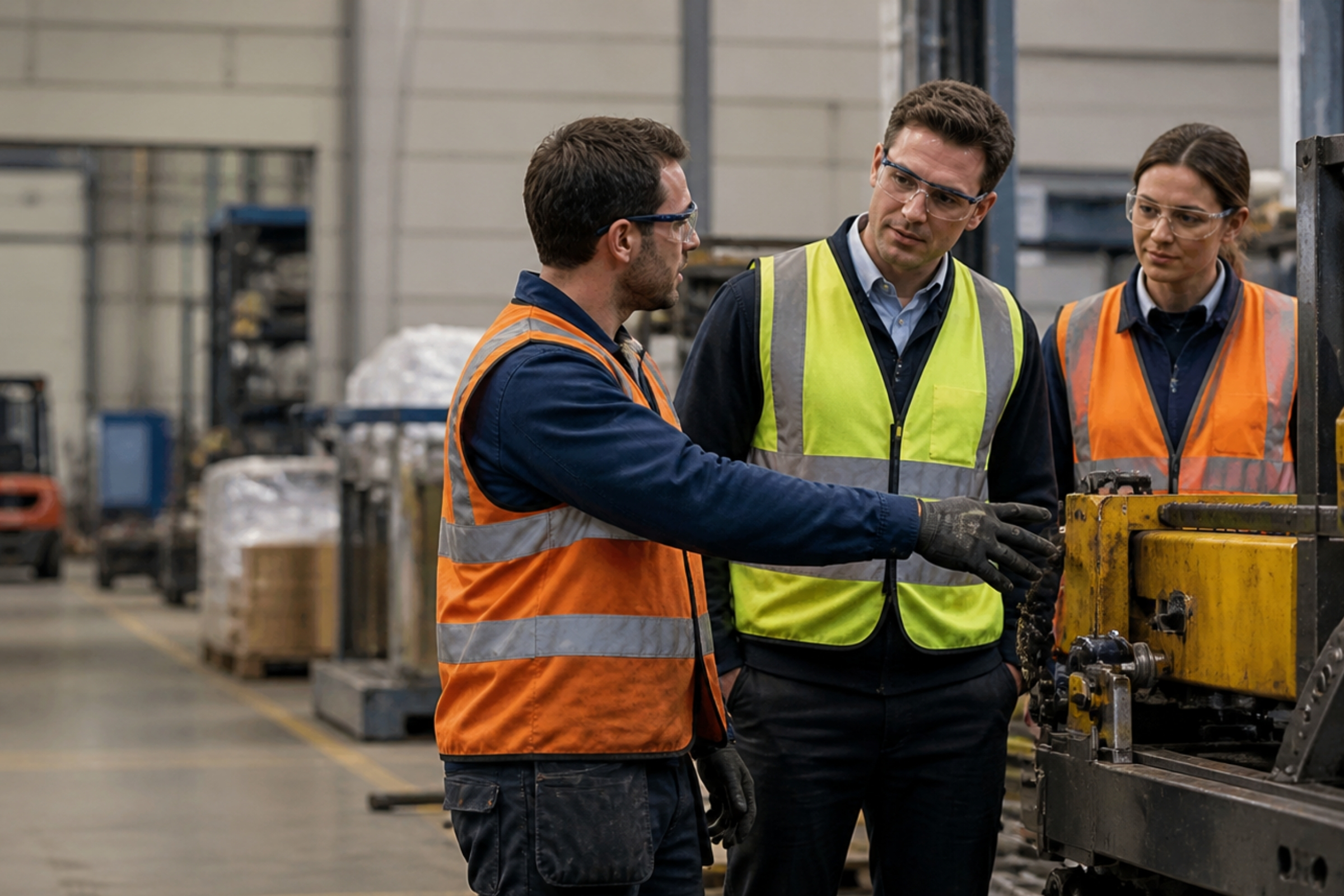
If the safe way is slow, confusing or impossible, people will find shortcuts. That is not always because they are careless. Sometimes it is because the organisation has made unsafe behaviour the easiest option.
Leaders need to make sure people have the tools, equipment and systems they need to work safely and responsibly.
That includes suitable PPE, maintained equipment, clear instructions, safe work areas, secure devices, reliable software, access controls, reporting systems and processes that people can actually follow.
In physical safety, this might mean making sure equipment is inspected, defects are recorded, PPE is available, and people know how to use tools correctly.
In digital safety, it might mean secure logins, multi-factor authentication, controlled access to documents, safe devices, proper data storage and clear rules around emails, files and systems.
In compliance, it means having records, responsibilities and processes that are easy to find and keep up to date.
The best systems reduce friction. They help people do the right thing without turning every task into admin soup.
If reporting a hazard takes too long, people will avoid it. If documents are impossible to find, people will use old versions. If access permissions are messy, people will see information they should not see. If maintenance records are scattered across emails and spreadsheets, nobody really knows what is safe to use.
Good safety needs good infrastructure.
It is not enough to say, “Follow the process.” The process has to work.
Most serious problems whisper before they scream.
People notice things before incidents happen. They notice the missing guard, the unsafe shortcut, the colleague who is struggling, the manager who is pushing too hard, the suspicious email, the safeguarding concern, the contractor who does not seem properly briefed.
The problem is that people often stay quiet.
They may worry about looking difficult. They may think nobody will listen. They may have reported something before and been ignored. They may fear blame, embarrassment or being told they are making a fuss.
That is how small issues become big ones.
A speak-up culture means people feel able to raise concerns early, without being treated as the problem. It means hazards, near misses, cyber concerns, mistakes, wellbeing issues, bullying, stress, safeguarding worries and unsafe behaviour can be reported and dealt with properly.
Managers set the tone.
If a supervisor rolls their eyes when someone reports a concern, the team learns to stay quiet. If a manager says, “We’ve always done it this way,” people stop challenging poor practice.
A good speak-up culture does not mean every report becomes a drama. It means concerns are taken seriously, logged where needed, reviewed fairly and acted on when appropriate.
Employees also need to understand that speaking up is part of keeping people safe. Reporting a near miss is not causing trouble. Reporting a suspicious email is not admitting failure. Asking for help is not weakness.
The best organisations catch problems early because people trust the system enough to say something.

Safety is not only hard hats, fire exits and warning signs.
People can be harmed by stress, burnout, isolation, poor management, bullying, unrealistic workloads, toxic behaviour and constant pressure. These things may not leave a visible bruise, but they can damage people deeply.

Managers and leaders have a responsibility to pay attention to how work affects people.
That does not mean turning every manager into a therapist. It means giving managers enough awareness to spot when pressure is building, respond properly, and avoid making things worse.
Poor wellbeing affects safety too. Tired, anxious, overwhelmed or unsupported people are more likely to make mistakes. They may rush, forget steps, miss warning signs, communicate poorly or avoid reporting problems.
A safe workplace needs leaders who can ask better questions:
Is the workload realistic?
Are people taking breaks?
Is someone withdrawing or behaving differently?
Are deadlines creating unsafe pressure?
Are people afraid to admit they are struggling?
Is poor behaviour being ignored because the person “gets results”?
Mental health awareness, stress management, communication training and manager support all play a role. But culture matters more than slogans.
If the workplace praises burnout, ignores bullying and rewards people for pushing through until they break, no wellbeing policy will save it.
People need to know where to get support, how to raise concerns and what help is available. Managers need to know how to listen, signpost and act. Employees need to know that wellbeing is not separate from safety. It is safety.
Let’s map your current setup and show you exactly where the gaps are, and how Plus Solutions closes them.