





People management training is not about pushing harder or hoping employees “step up” under pressure. It is about giving people the clarity, training, confidence and structure they need to do their jobs properly.
For team leaders up to business owners, getting the best from your people is when management becomes practical.
It is not just about motivation, attitude or personality. It is about knowing who can do what, who needs support, who is ready for more responsibility and where the hidden gaps are sitting inside the team.
People perform better when expectations are clear. They make better decisions when they understand their role. They work more safely when they are trained properly. They take more responsibility when they can see their own progress. They grow faster when development is based on evidence, not guesswork.
That matters for the business, but it also matters for the employee.
Nobody wants to feel exposed, underprepared or out of their depth. Nobody wants to be given work they are not ready for, then blamed when something goes wrong. Nobody wants training that feels random, irrelevant or disconnected from the job they actually do.
Getting the best from people starts with a simple idea.
Know where they are now, help them move forward, and give them the tools to do better work with more confidence.

You cannot get the best from people if you are guessing what they are trained to do.
Managers need a clear picture of each person’s skills, training, certificates, role requirements, expiry dates and development gaps. Not hidden in folders, scattered across inboxes, or stored in someone’s memory.
When you can see what people are trained to do, you make better decisions. You can put the right person on the right task, avoid giving responsibility to someone who is not ready, spot who can step up, and see who needs refresher training before a problem appears.
This also protects employees. If someone is asked to do work they are not trained for, they may stay quiet and try to get through it. That is how mistakes happen, confidence drops and safety issues begin.
A strong team starts with a live understanding of capability. Who can do the work? Who is signed off? Who needs support? Who is ready for more?
Once managers can answer those questions clearly, people can be used properly, supported properly and developed properly.
Training should not be seen as something that only happens after a mistake, when there is spare time to fill, or when the company needs another box ticked.
If people only experience training when something has gone wrong, when a deadline is looming, or when someone suddenly realises a certificate has expired, they will see it as admin. Another task. Another login. Another thing getting in the way of the real work.
That attitude usually starts at the top.
When managers treat training like a tick-box exercise, employees will do the same. When training is handed out with no explanation, no context and no clear connection to the job, people will rush through it, forget most of it and move on.
Training needs to feel relevant.
People need access to the right learning at the right time, based on their role, responsibilities, risks and development needs. That may include induction training, refresher training, compliance training, leadership training, cyber awareness, wellbeing support, health and safety training or role-specific skills.
The important part is purpose.
Why does this training matter? What does it help the person understand? What risk does it reduce? What decision will they be able to make better afterwards? How does it help them do their job with more confidence?
When people understand the reason behind training, they are more likely to take it seriously.
This is especially important for supervisors and managers who are responsible for allocating work. Training should not be separated from the job. It should sit alongside role planning, task allocation, risk management, performance development and team structure.
If someone is moving into a new role, they need the right learning before they are expected to perform. If someone is taking on more responsibility, they need preparation, not just pressure. If someone is struggling, training may be part of the answer, but only if it is relevant to the actual gap.
The best teams are not trained by accident.
They are trained with purpose, with structure and with a clear understanding of what each person needs to do their job properly.
People are more likely to take ownership when they can see what belongs to them.
Training records should not feel like a secret file that only managers can access. Employees need a clear view of their own completed courses, certificates, outstanding requirements, upcoming renewals and development progress.
They should not have to chase someone every time they want to know whether they are up to date. They should not have to dig through old emails to find a certificate. They should not have to rely on a manager remembering what they have completed.
When people can see their own progress, training becomes more personal.
It stops being something that is simply done to them. It becomes something they can track, understand and act on. They can see what they have achieved. They can see what is missing. They can see what they need next.
That creates responsibility.
For employees, this can build confidence. It gives them evidence of what they know and what they are qualified to do. It helps them prepare for conversations about progression, development and future opportunities. It also helps them understand where they may need more support.
For managers, it reduces chasing. It removes confusion. It helps conversations become more practical. Instead of vague discussions about performance or development, both sides can look at the same information and talk clearly about what comes next.
Progress matters because people need to see movement.
If someone has completed key learning, gained certificates or built new skills, that should be visible. If someone has requirements still outstanding, that should be clear too. Not as a way to catch them out, but as a way to help them take the next step.
Confidence grows when progress is visible.
People are more likely to improve when they can see where they started, where they are now and what they need to do next.
A skills gap rarely announces itself politely.
It usually shows up in smaller ways first. Hesitation. Mistakes. Repeated questions. Avoiding certain tasks. Low confidence. Poor decisions. Missed steps. Unsafe habits. A person saying “I think I know what I’m doing” when they clearly do not.
By the time it becomes an obvious performance problem, the gap has often been there for a while.
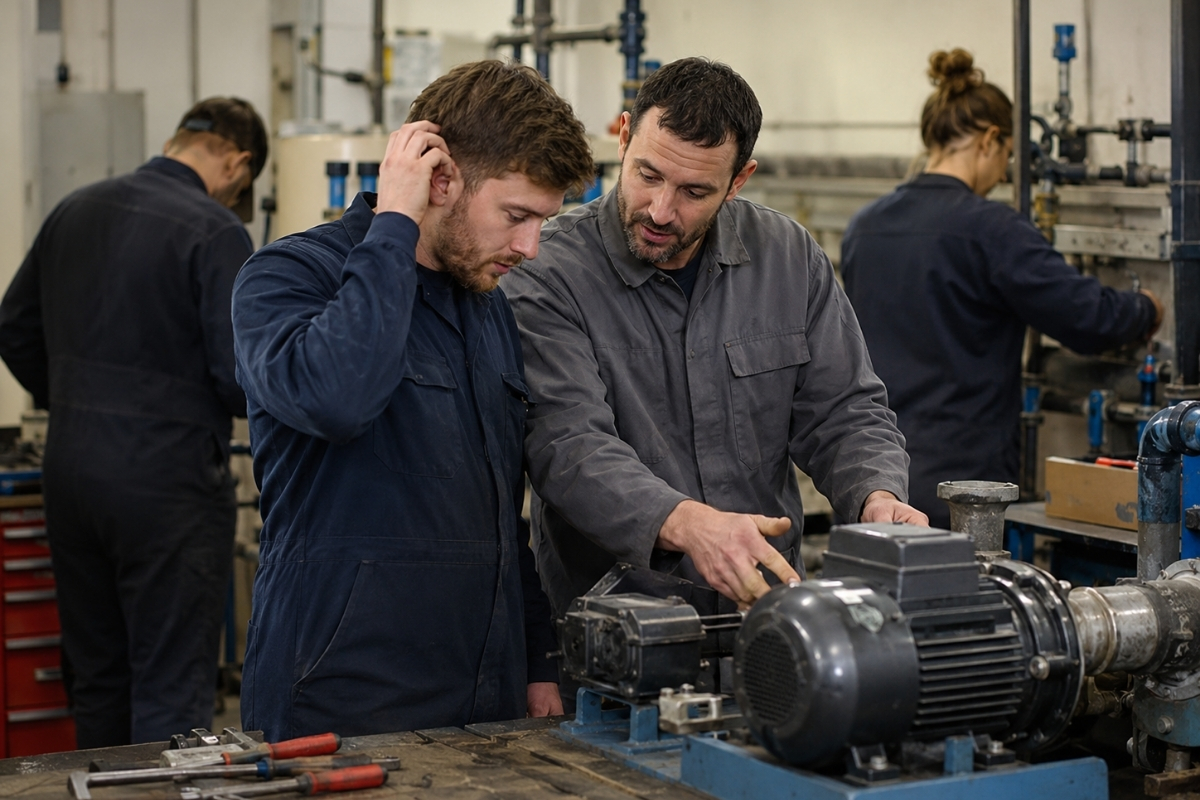
Managers need to spot those gaps early.
That means knowing who needs refresher training, who has expired certificates, who has not completed key learning, who is missing a requirement for their role and where the wider team may be exposed.
This is not about looking for blame.
It is about stopping people being set up to fail.
Too often, performance issues are treated as attitude problems. Someone is seen as careless, slow, difficult or unwilling. Sometimes that may be true. But often, the person has not been given the knowledge, support, structure or confidence they need.
A supervisor may be frustrated that someone keeps asking the same question. But has that person been trained properly? Has the task changed? Has the process been explained clearly? Is the person worried about making a mistake? Are they missing a certificate, a refresher course or practical support?
Good managers ask better questions before jumping to conclusions.
They look at the evidence. They check the training record. They look at the role requirements. They ask what support is missing. They deal with the gap before it becomes a bigger issue.
This protects the business because it reduces mistakes, delays, rework, complaints and risk.
It protects employees because it gives them a fair chance to improve.
Nobody performs at their best when they are quietly unsure, undertrained or afraid to admit they do not know something. Spotting gaps early gives people the chance to build confidence before pressure turns into failure.
Good development should not be based on who shouts loudest, who is liked most, or who happens to be available.
It needs evidence.
Managers need to know who has completed what, who is ready for more, who needs support, who has the right certificates, who is falling behind and where training could unlock better performance.
Without that evidence, development becomes messy.
The confident person gets the opportunity, even if they are not the most prepared. The quiet person gets missed, even if they have the skills. The reliable person gets overloaded because they are easy to trust. The struggling person gets labelled before anyone checks whether they were ever properly supported.
That is not fair, and it is not effective.
Evidence helps managers make better decisions.
It supports one-to-ones, appraisals, role planning, succession planning, compliance checks and day-to-day task allocation. It helps leaders see who is progressing, who needs attention and where the team has strengths that are not being used.
It also makes development more transparent.
People can see that opportunities are linked to skills, training, progress and readiness, not favouritism or guesswork. That matters for morale. It matters for trust. It matters for retention.
Employees want to know that effort leads somewhere. They want to know that completing training, building skills and taking responsibility actually counts. If development feels random, people disengage. If development feels fair, people are more likely to invest in their own progress.

For senior leaders, this also gives a better view of the organisation.
You can see where teams are strong. You can see where capability is thin. You can see where too much knowledge sits with one person. You can see where the next supervisors, managers or specialists may come from.
That is how people development becomes part of workforce planning, not just a conversation once a year.
Getting the best from people is not about squeezing more out of them.
That idea is outdated, and it usually backfires. People are not machines. They cannot perform well for long if they are confused, unsupported, undertrained or constantly pushed into work they are not ready for.
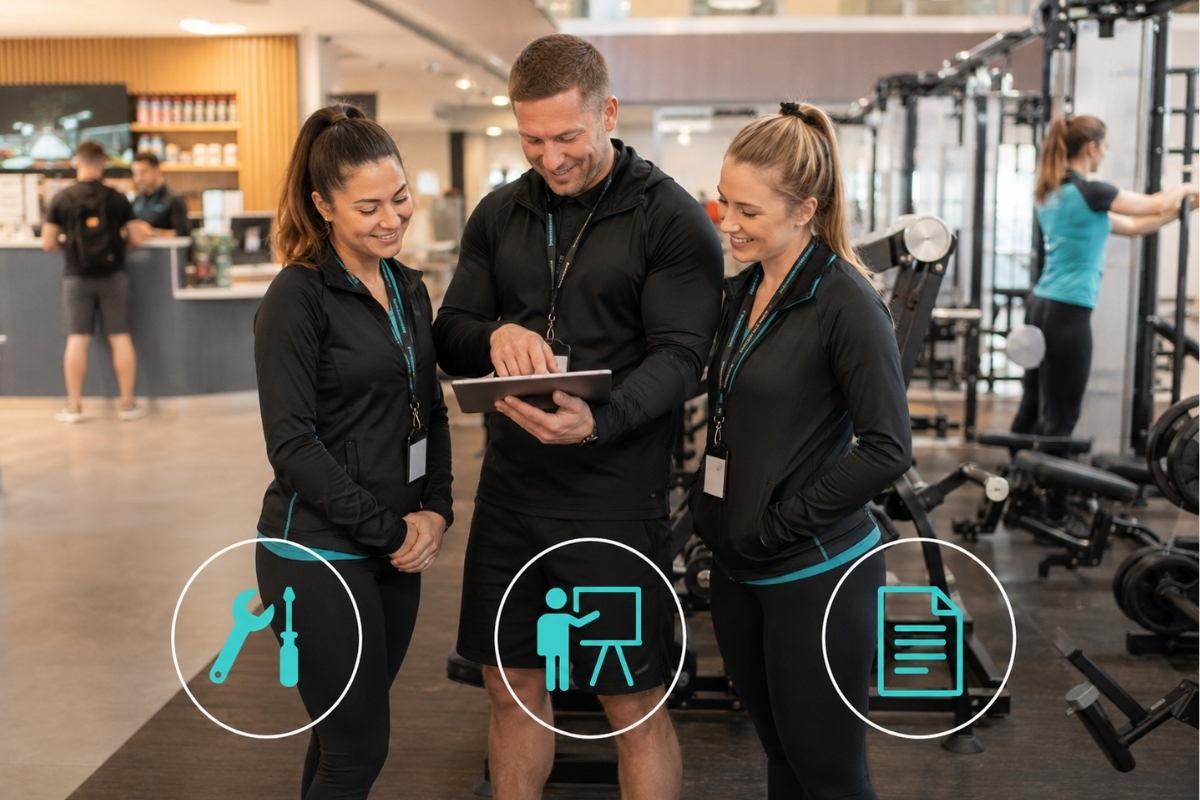
Better performance comes from better clarity.
People need to know what is expected of them. Managers need to know what each person is trained to do. Supervisors need to understand where the gaps are. Leaders need evidence that people are ready, competent and supported.
When that information is clear, everything improves.
Training becomes easier to manage. Development becomes fairer. Compliance becomes less stressful. Employees become more confident. Managers make better decisions. Teams stop relying on memory, assumptions and last-minute chasing.
The strongest teams are not built by pressure alone.
They are built through structure, training, visibility, responsibility and trust.
When people have the right tools, the right training and the right information, they can do better work with fewer mistakes, less confusion and more confidence. That is how managers get more from their teams without simply demanding more from them.
Because getting the best from your people starts by giving them what they need to be at their best.
Giving team leaders and business owners a clearer way to manage training, track progress, spot gaps and support people with confidence.